
Categories
EDI

EDI APIs and Events: How Do They Work Together?

Introduction

Modern businesses rarely operate with a single integration technology.

A company may use EDI to exchange transactions with customers and suppliers, APIs to connect internal applications and digital services, and event-driven technologies to respond to business changes in real time.

These technologies are sometimes treated as competing alternatives. In reality, they solve different integration problems. Understanding how EDI APIs and events work together can help organizations build integration architectures that are more flexible, scalable, and aligned with the way their business operates.

The goal is not to replace every existing technology with something newer. It is to determine where each approach creates the most value and how they can work together within a connected architecture.

For many organizations, the question is no longer whether to use EDI, APIs, or events. The more important question is how these technologies can work together effectively.


Why Modern Businesses Need Multiple Integration Approaches

Business processes are becoming increasingly interconnected.

A single customer order can involve trading partners, ERP systems, warehouses, transportation providers, inventory platforms, payment systems, and customer-facing applications.

Each of these systems may communicate differently. A retailer may require a supplier to exchange purchase orders and invoices through EDI. At the same time, the supplier’s internal applications may communicate through APIs, while warehouse systems may need to react immediately when inventory or shipment information changes.

Trying to force every connection through one technology can create unnecessary complexity.

EDI is highly effective for standardized business-to-business transactions. APIs are well suited for application-to-application communication and real-time services. Events are useful when systems need to react to changes as they happen.

This is why EDI APIs and events should be viewed as complementary components of a broader integration strategy.

Rather than selecting one technology for the entire organization, businesses can use each approach where it provides the greatest value.


EDI: Connecting Businesses and Trading Partners

Electronic Data Interchange remains a critical technology for business-to-business communication.

EDI allows companies to exchange structured business documents such as purchase orders, invoices, shipment notifications, and order acknowledgments in standardized formats.

For organizations working with large retailers, manufacturers, distributors, logistics providers, or other established trading partners, EDI may be a contractual or operational requirement.

Companies beginning an EDI relationship should first understand their customer’s specific requirements, transaction flows, standards, and implementation responsibilities. Our guide EDI Implementation: What to Do When a Customer Requires EDI provides a practical starting point for organizations facing a new EDI requirement.

EDI connectivity can also involve different communication models depending on the trading partner’s requirements. A Value Added Network (VAN) can provide managed connectivity for exchanging EDI transactions between business partners.

The important point is that EDI is designed primarily around structured business transactions between organizations.

That makes it particularly valuable for established B2B processes where consistency, standardization, and reliable document exchange are essential.

However, EDI does not need to handle every integration requirement inside the enterprise.

This is where APIs and events can complement EDI and create a more flexible integration environment.


APIs: Connecting Applications and Services

APIs provide a different way of connecting systems.

Instead of exchanging standardized business documents between companies, APIs allow applications and services to request, send, or retrieve information directly.

For example, an ERP system might expose an API that allows another application to retrieve customer information, check inventory, create an order, or update a shipment.

APIs are particularly useful when applications need more direct and dynamic communication.

Consider an e-commerce application that needs to know whether a product is available. Rather than waiting for a scheduled file exchange, the application can use an API to request current inventory information.

APIs can also connect cloud applications, mobile applications, customer portals, analytics platforms, and internal business systems.

This makes APIs an important part of modern integration architectures.

However, APIs do not automatically replace EDI.

A company may still need EDI because its trading partners require standardized transactions. At the same time, the company may use APIs internally to move information between the ERP, warehouse management system, customer portal, and other applications.

This is one of the clearest examples of how EDI APIs and events can coexist within the same business process.

The key is to define the role of each technology instead of treating them as interchangeable solutions.


Events: Responding to Business Changes

Event-driven integration introduces another approach.

An event represents something that happened in a business or technical system.

Examples include:

  • An order was created.
  • Inventory changed.
  • A shipment was dispatched.
  • A payment was received.
  • A customer account was updated.
  • A product became unavailable.

Instead of continuously asking a system whether something has changed, other systems can react when an event occurs.

For example, when an order is confirmed, an event could notify the warehouse, update inventory services, trigger a customer notification, and initiate additional processing.

This can reduce unnecessary polling and allow applications to respond more quickly to changes.

Events are especially valuable when multiple systems need to react to the same business occurrence.

However, event-driven architecture does not eliminate the need for APIs or EDI. Each technology still serves a different purpose.

When designed correctly, EDI APIs and events can work together to connect external transactions with internal, real-time business processes.


EDI, APIs and Events Are Not Competing Technologies

The most important concept is that EDI, APIs, and events operate at different points within an integration landscape.

EDI is often focused on standardized business-to-business transactions.

APIs are commonly used for application and service communication.

Events allow systems to react to changes.

A modern integration architecture can use all three.

For example, a customer may send a purchase order through EDI. The integration platform receives and validates the transaction before transforming it into the format required by the company’s ERP.

The ERP may then communicate with a warehouse application through an API.

Once the warehouse confirms that the order has been processed, an event can notify other systems that the status has changed.

Finally, the company may generate an EDI shipment notification for the customer.

In this scenario, none of the technologies replaces the others. Each one performs the role for which it is best suited.

This is the real value of EDI APIs and events: they allow organizations to design integration flows around business requirements instead of forcing every connection into the same technical model.


A Practical Example: From Purchase Order to Shipment

Consider a manufacturer receiving an order from a major retailer.

Step 1: Purchase Order

The retailer sends a purchase order through EDI.

The integration layer receives and validates the transaction, then transforms the data into the structure required by the manufacturer’s ERP.

Step 2: ERP Processing

The ERP processes the order and determines product availability, pricing, fulfillment requirements, and other business rules.

If additional information is required from another application, an API can provide that information.

Step 3: Warehouse Processing

The order is sent to the warehouse management system.

An API can allow the ERP and warehouse system to exchange the necessary information without requiring the warehouse to understand the original EDI document.

Step 4: Business Events

Once the warehouse confirms that the order has been picked or packed, an event can notify other systems.

Inventory can be updated.

Transportation planning can begin.

Customer-facing applications can update order status.

Other internal processes can react without creating tightly coupled connections between every application.

Step 5: Shipment Notification

Once the shipment is confirmed, the required business transaction can be generated and sent to the retailer through EDI.

The complete process therefore combines different integration approaches.

This is a practical example of how EDI APIs and events can support one connected business flow without requiring every system to communicate using the same technology.


Where Does the Integration Platform Fit?

When multiple integration technologies are involved, coordination becomes increasingly important.

An integration platform can act as the layer connecting applications, trading partners, APIs, files, and event-driven services.

Depending on the architecture, the platform may handle:

  • Data transformation
  • Message routing
  • Protocol management
  • Validation
  • Error handling
  • Monitoring
  • Security
  • Partner connectivity
  • API orchestration
  • Event processing

This allows individual systems to focus on their business functions instead of becoming responsible for every external connection.

It can also reduce point-to-point integration.

Without a centralized integration approach, an organization may gradually create dozens or hundreds of individual connections. Each connection introduces dependencies that can make the environment harder to understand and maintain.

A well-designed integration layer provides a more structured way to manage these interactions.

It can also provide a common place to coordinate EDI APIs and events across different applications and business processes.


What Happens Without an Integration Strategy?

Using multiple technologies does not automatically create a modern architecture.

Without a clear integration strategy, organizations can end up with disconnected solutions.

One team may build APIs while another maintains EDI connections. A third team may introduce event streaming without considering how it interacts with existing processes.

Over time, this can result in:

  • Duplicate data flows
  • Inconsistent transformations
  • Difficult troubleshooting
  • Limited visibility
  • Increased maintenance
  • Security gaps
  • Unclear ownership
  • Complex dependencies

The problem is not having several technologies.

The problem is using them without understanding how they fit together.

An effective architecture should define which integration pattern should be used for each business requirement and how those patterns interact.


How to Build a More Effective Integration Architecture

A practical approach starts with the business process rather than the technology.

1. Map the Business Process

Identify the systems, partners, documents, applications, and events involved in the process.

Understanding the complete flow makes it easier to determine where EDI, APIs, or events are appropriate.

2. Define the Role of Each Technology

Do not choose a technology simply because it is newer.

Ask what the business process requires.

If a trading partner requires standardized transactions, EDI may be the appropriate choice.

If an application needs direct access to information, an API may be more suitable.

If multiple systems need to react to a business change, an event-driven approach may provide greater flexibility.

This role-based approach is central to designing effective EDI APIs and events architectures.

3. Establish Clear Data Flows

Organizations should understand where information originates, how it is transformed, and which systems consume it.

This becomes particularly important when information moves between EDI documents, APIs, and event streams.

Clear data flows reduce duplication and make troubleshooting easier.

4. Centralize Integration Management

Where appropriate, use an integration platform to manage connectivity, transformations, routing, monitoring, and error handling.

This can provide a consistent approach across different integration patterns.

5. Design for Growth

Integration architecture should make it possible to add new trading partners, applications, and integration patterns without rebuilding the entire environment.

As the number of partners grows, efficient trading partner onboarding becomes increasingly important for maintaining consistency and reducing implementation effort.

Scalability should therefore be considered from the beginning rather than added later when the integration environment has already become difficult to manage.

6. Monitor the Complete Flow

Monitoring should not stop when a message leaves one system.

Organizations need visibility across the complete business process.

For example, if an EDI order enters the integration platform but fails before reaching the ERP, the problem should be identifiable.

If the ERP successfully processes the order but the warehouse API fails, that failure should also be visible.

If an event is generated but not consumed by another application, the organization should be able to identify the issue.

End-to-end visibility is essential when multiple integration patterns work together.


The Role of EDI APIs and Events in the Supply Chain

The combination becomes especially valuable in supply chain environments.

Consider what happens when a customer places an order.

EDI can communicate the order between trading partners.

An API can move information between internal applications.

An event can notify other systems that the order has changed.

The warehouse can react.

Inventory can be updated.

Transportation can be planned.

Shipment information can be generated.

Finally, the required business document can be sent back to the trading partner through EDI.

This creates a connected flow across external partners and internal systems.

The important point is that the same business process does not need to rely on a single technology from beginning to end.

Instead, EDI APIs and events can each contribute to different stages of the process.

For organizations with EDI integration across complex supply chains, this approach can provide greater flexibility while allowing established B2B processes to coexist with newer digital capabilities.


How to Avoid Replacing Technology Without a Business Reason

Modernization does not always mean replacing existing technology.

An organization may already have reliable EDI processes that support important trading relationships.

Replacing those processes simply because APIs or event-driven technologies are becoming more popular could introduce unnecessary risk.

A better approach is to evaluate the existing environment and identify where modernization creates measurable value.

For example, APIs may improve access to real-time information between internal applications.

Events may reduce delays in processes that require immediate reactions.

EDI may continue to provide reliable standardized communication with external trading partners.

The objective should be to improve the architecture, not to replace technology for the sake of replacement.

This is another reason EDI APIs and events should be considered as complementary capabilities rather than competing technologies.


The Future of Business Integration Is Hybrid

Business integration is becoming increasingly hybrid.

Companies need to support established B2B communication while also adopting cloud applications, APIs, event-driven architectures, automation, and real-time data services.

That does not mean every organization needs every technology.

Instead, businesses should build architectures that reflect their actual processes, trading partner requirements, application landscape, and growth plans.

A hybrid integration strategy can allow companies to preserve proven EDI processes while gradually introducing APIs and events where they provide additional value.

This approach can also make modernization more manageable.

Rather than attempting a large-scale transformation all at once, organizations can modernize specific parts of their integration landscape while maintaining business continuity.

In this environment, EDI APIs and events can serve as complementary building blocks rather than isolated integration choices.


Final Thoughts

EDI, APIs, and events solve different integration challenges.

EDI provides a structured way for businesses to exchange standardized transactions with trading partners.

APIs connect applications and services, often providing more direct and dynamic access to information.

Events allow systems to respond to business changes without requiring every application to remain tightly connected.

The real opportunity is not choosing one technology over another. It is designing an architecture in which each technology has a clear role.

When EDI, APIs, and events are coordinated through an effective integration strategy, organizations can connect external partners, internal applications, and business processes more efficiently.

Ultimately, EDI APIs and events are not three separate worlds. They can be complementary building blocks of a modern integration architecture designed to support today’s operations while creating room for tomorrow’s growth.

Talk to an EDI expert and find the right approach for your business.

Categories
EDI

EDI Trading Partner Onboarding: A Step-by-Step Guide

Adding a new EDI trading partner can look simple from the outside: receive the requirements, configure the connection, test the documents, and go live.

In practice, however, onboarding a trading partner involves much more than connecting two systems.

You may need to understand the partner’s EDI requirements, communication protocol, document types, business rules, testing process, and internal data flows. If any of these elements are unclear, a project that should take days or weeks can turn into a long cycle of emails, configuration changes, failed tests, and unexpected operational issues.

A structured EDI trading partner onboarding process helps organizations make this work repeatable, predictable, and easier to scale.

In this guide, we will walk through the key steps involved in onboarding a new EDI trading partner and explain what your team should consider at each stage.

What Is EDI Trading Partner Onboarding?

EDI trading partner onboarding is the process of establishing the technical and business requirements necessary for two companies to exchange electronic business documents successfully.

A trading partner may be a customer, supplier, distributor, logistics provider, retailer, or another organization within your supply chain.

The onboarding process typically involves:

  • Collecting the partner’s EDI requirements
  • Identifying the required business documents
  • Defining communication protocols
  • Configuring the connection
  • Mapping and transforming data
  • Testing document exchanges
  • Validating business processes
  • Moving the connection into production
  • Monitoring the exchange after go-live

The objective is not simply to make an EDI message travel from one system to another.

The objective is to make sure the information exchanged is accurate, secure, compliant, and usable by the receiving business process.

This is particularly important as companies work with an increasing number of customers and suppliers. What works for one partner may not work for another, making a standardized onboarding process essential.

Why Trading Partner Onboarding Can Become Complicated

Every EDI trading partner onboarding can introduce a different set of requirements.

One customer may require ANSI X12 documents through AS2, while another may use EDIFACT through SFTP or a VAN. They may also require different versions, document types, identifiers, acknowledgments, testing procedures, and business rules.

For example, a retailer could require:

  • EDI 850 for purchase orders
  • EDI 855 for purchase order acknowledgments
  • EDI 856 for advance shipping notices
  • EDI 810 for invoices

But knowing which documents are required is only the beginning.

Your team also needs to understand how those documents connect to your internal processes and systems.

This is why onboarding should be treated as a structured integration process rather than simply a technical configuration task.

A structured EDI trading partner onboarding process helps ensure that each new partner follows a consistent path from requirements gathering to production.

The EDI Trading Partner Onboarding Process

A reliable onboarding process can be divided into several stages.

1. Collect the Trading Partner Requirements

Before configuring anything, gather the partner’s implementation guide and technical documentation.

This documentation should define the rules your organization must follow to exchange EDI documents with the partner.

Look for information such as:

  • Required EDI standard
  • Document types
  • Version or release
  • Communication protocol
  • Partner identifiers
  • Sender and receiver IDs
  • Required segments and data elements
  • Mandatory fields
  • Business rules
  • Acknowledgment requirements
  • Testing procedures
  • Production requirements
  • Contact information for technical support

Do not assume that requirements from another trading partner will apply here.

Even when two customers use the same EDI standard, their implementation requirements can be significantly different.

The first goal of onboarding is therefore to create a clear picture of what the new partner expects.

2. Identify the Required Business Documents

Once the requirements are understood, determine which documents will actually be exchanged.

For example, an order-to-cash process might involve:

EDI 850 → EDI 855 → EDI 856 → EDI 810

The exact sequence depends on the business relationship and the partner’s requirements.

It is important to identify both directions of the exchange:

Inbound documents: information your company receives from the trading partner.

Outbound documents: information your company sends to the trading partner.

This distinction helps define the integration flows that need to be configured and tested.

It also prevents teams from overlooking documents that are required later in the process.

3. Define the Communication Method

The next step is determining how the EDI documents will be exchanged.

Common communication methods include:

  • AS2
  • SFTP
  • OFTP2
  • VAN
  • APIs or other integration mechanisms

The appropriate method depends on the trading partner’s requirements, security policies, existing infrastructure, and integration architecture.

The communication channel is only one part of the equation. You also need to establish the credentials, certificates, endpoints, identifiers, encryption requirements, and other parameters necessary to establish a reliable connection.

For organizations managing many partners, standardizing this information can significantly simplify future onboarding projects.

4. Configure Partner and System Identifiers

EDI relies heavily on identifiers.

Depending on the standard and business environment, these may include:

  • ISA IDs
  • GS IDs
  • Qualifiers
  • GLNs
  • Supplier or customer numbers
  • Tax identifiers
  • Location identifiers

An incorrect identifier can prevent a document from being accepted even when the rest of the message appears correct.

This is why partner master data should be validated before testing begins.

A centralized and well-maintained partner profile can also reduce errors when the same information is needed across multiple integration flows.

5. Map the EDI Data to Your Internal Systems

This is one of the most important stages of the onboarding process.

EDI documents need to exchange information with your internal business applications, such as an ERP, WMS, TMS, CRM, or other operational systems.

For example:

Customer Purchase Order → EDI 850 → ERP Sales Order

The EDI document contains standardized information, while your internal system may use a completely different structure.

Mapping connects these two worlds.

The integration must determine how values such as:

  • Product numbers
  • Quantities
  • Prices
  • Dates
  • Addresses
  • Purchase order numbers
  • Shipping locations
  • Customer codes

are transformed between the partner’s EDI format and your internal application.

Poorly defined mappings can create errors that are difficult to detect until they affect an actual business transaction.

6. Configure Validation and Business Rules

EDI translation alone does not guarantee that a transaction is correct.

The integration should also validate the information against the trading partner’s requirements and your internal business rules.

For example:

  • Is the required field present?
  • Is the value in the expected format?
  • Is the product identifier valid?
  • Does the location exist?
  • Is the quantity acceptable?
  • Is the purchase order number correct?
  • Are required segments included?

These validations provide an additional layer of protection before information reaches downstream business processes.

7. Test the EDI Connection

Testing should happen before production.

A typical testing cycle may include:

Connection Test → Document Test → Validation → Business Process Test → Partner Approval

First, verify that both systems can communicate successfully.

Then exchange sample documents and verify that:

  1. The message is transmitted correctly.
  2. The EDI structure is valid.
  3. The required information is present.
  4. The document is translated correctly.
  5. The information reaches the appropriate internal system.
  6. The resulting business transaction is correct.
  7. Required acknowledgments are generated.

Do not stop testing simply because the EDI document passes technical validation.

The real question is whether the document produces the correct business result.

8. Resolve Errors and Complete Partner Certification

Testing often reveals issues.

A document may be technically valid but fail because of a missing value, incorrect identifier, unexpected code, mapping issue, or business rule.

This is normal.

The important thing is to have a clear process for identifying the source of the problem and determining whether it originates from:

  • The trading partner’s data
  • The EDI specification
  • The communication configuration
  • The mapping
  • The internal application
  • The business process

Once the required tests have been completed successfully, the trading partner can approve the connection for production.

9. Move the Trading Partner to Production

Going live should be treated as a controlled transition rather than simply switching a configuration from test to production.

Before the production launch, verify:

  • Production credentials
  • Endpoints
  • Certificates
  • Partner identifiers
  • Mapping versions
  • Routing rules
  • Monitoring
  • Error handling
  • Notification procedures
  • Support contacts

It is also useful to establish who is responsible for resolving issues once the connection is live.

A successful onboarding does not end when the first production document is exchanged.

It continues through monitoring and maintenance.

10. Monitor the Integration After Go-Live

Once the trading partner is live, your team needs visibility into the exchange.

Monitoring should help answer questions such as:

  • Was the document received?
  • Was it successfully translated?
  • Did validation pass?
  • Was it delivered to the internal system?
  • Was an acknowledgment generated?
  • Did the partner accept the document?
  • Where did a failed transaction stop?

Without this visibility, an EDI problem can remain unnoticed until someone discovers that an order, shipment, or invoice was not processed correctly.

This becomes increasingly important as the number of trading partners grows.

A Simple EDI Onboarding Checklist

Before considering a new trading partner fully onboarded, confirm that the following areas have been addressed:

  • Partner requirements documented
  • EDI documents identified
  • Communication protocol defined
  • Partner identifiers validated
  • Connection configured
  • Mapping completed
  • Business rules configured
  • Test documents exchanged
  • Errors resolved
  • Partner approval completed
  • Production configuration validated
  • Monitoring enabled
  • Support responsibilities defined

A checklist like this creates consistency across projects and reduces the risk of skipping critical steps.

How to Make EDI Partner Onboarding Scalable

As EDI trading partner onboarding becomes more frequent, manual processes can quickly become difficult to manage.

Onboarding dozens or hundreds is a different challenge.

As the trading partner community grows, organizations can face increasing demands on IT teams, integration specialists, and business users.

The answer is not necessarily to add more people.

Instead, organizations should look for ways to make the onboarding process repeatable, standardized, and easier to manage.

This can include:

Standardized Partner Templates

Create reusable configurations for common communication protocols, document types, and integration patterns.

Centralized Partner Information

Maintain partner requirements, identifiers, contacts, and technical information in a structured and accessible location.

Reusable Mapping Components

Where possible, reuse common transformation logic instead of building every integration from scratch.

Automated Testing

Automated validation can reduce repetitive manual work and make it easier to identify problems before production.

Centralized Monitoring

A unified view of transactions makes it easier to identify failures across the trading partner network.

Clear Ownership

Define who is responsible for technical configuration, business validation, partner communication, and production support.

These practices can turn onboarding from a series of one-off projects into a manageable operational process.

When EDI Onboarding Becomes an Operational Challenge

The complexity of EDI trading partner onboarding usually increases with the size of the trading partner network.

If every new customer requires a completely different process, manual configuration, repeated troubleshooting, and significant IT involvement, the problem may no longer be the individual partner.

It may be the onboarding model itself.

A scalable EDI environment should make it possible to add partners without proportionally increasing the amount of manual work required from your team.

This is one reason organizations increasingly consider cloud-based EDI and managed integration services.

For example, B2B EDI Cloud Integration can help organizations exchange EDI documents directly with business applications while reducing the need to maintain a large internal EDI infrastructure.

The Goal Is Not Just to Connect. It Is to Operate.

A successful EDI trading partner onboarding process does more than establish a technical connection.

It creates a reliable path for business information to move between organizations.

The strongest onboarding processes connect several layers:

Trading Partner Requirements → EDI Documents → Communication → Mapping → Internal Systems → Business Process → Monitoring

If one of these layers is overlooked, the connection may work technically while the business process still fails.

That is why EDI onboarding should be approached as an integration process with clear requirements, testing, ownership, and ongoing monitoring.

As your trading partner network grows, the ability to repeat this process efficiently can become just as important as the EDI connection itself.

Final Thoughts

EDI trading partner onboarding does not have to become a long and unpredictable project.

With a structured process, your organization can move from requirements gathering to production with greater consistency and fewer surprises.

The key is to treat onboarding as more than a connection setup.

It requires understanding the partner’s requirements, configuring the right communication method, mapping data correctly, validating business rules, testing the complete process, and monitoring the exchange after go-live.

And when the number of trading partners continues to grow, the next question becomes even more important:

How can you onboard new partners faster without increasing the complexity of your EDI operation?

That is where a scalable EDI strategy can make the difference between managing integrations one by one and building an EDI environment that can grow with your business.

Talk to an EDI expert and find the right approach for your business.

Categories
EDI

EDI Implementation: What to Do When a Customer Requires EDI

Your customer requires EDI, and now you need to figure out what to do next.

Now what?

For many suppliers, manufacturers, distributors, and growing businesses, this is where the questions begin. What EDI documents do you need to exchange? Which communication protocol should you use? Does your ERP need to be integrated? How long will implementation take? And do you need to build an internal EDI team?

The good news is that becoming EDI compliant does not necessarily mean building a complex EDI infrastructure from scratch.

The right approach depends on your customer’s requirements, your existing business systems, transaction volume, number of trading partners, and internal resources.

In this guide, we’ll walk through the EDI implementation process and explain the main options available when a customer requires EDI.

If EDI is new to your organization, understanding what EDI is and why it matters can provide useful context before you begin the implementation process.

1. What to Do When Your Customer Requires EDI

Before choosing an EDI solution, you need to understand exactly what your customer requires.

Receiving a message that says “EDI is mandatory” is only the starting point. Your trading partner should provide implementation guidelines that define how transactions need to be exchanged.

A successful EDI implementation starts with documenting these requirements before choosing software, configuring connectivity, or mapping data.

Start by identifying the following.

Which EDI documents are required?

Different trading partners may require different business documents.

Common EDI transactions include:

  • EDI 850 — Purchase Order
  • EDI 855 — Purchase Order Acknowledgment
  • EDI 856 — Advance Shipping Notice
  • EDI 810 — Invoice
  • EDI 820 — Payment/Remittance Advice

You may not need all of these documents. The requirements depend on the relationship and business processes you have with your customer.

Which EDI standard is required?

Your customer may specify a particular standard, such as:

  • ANSI X12
  • EDIFACT
  • XML
  • Partner-specific formats

For businesses working with North American trading partners, ANSI X12 is particularly common.

Which communication protocol is required?

The customer may also specify how EDI documents must be transmitted.

Depending on the trading relationship, this can include:

  • AS2
  • SFTP
  • VAN
  • HTTPS
  • Other supported connectivity methods

This information should be confirmed before implementation begins.

What are the customer’s implementation guidelines?

The EDI standard alone does not define every detail of the transaction.

Your customer may have specific requirements for:

  • Required segments
  • Data elements
  • Qualifiers
  • Product codes
  • Units of measure
  • Identifiers
  • Testing procedures
  • Document validation
  • Error handling

The first step in an EDI implementation is therefore not choosing software. It is understanding the requirements.

2. Determine How EDI Will Fit Into Your Business

Once you understand what your customer requires, the next question is how EDI will work with your existing operations.

This is where many companies make an important distinction between simply exchanging EDI documents and actually integrating EDI into their business processes.

For example, your customer may send an EDI purchase order.

Ideally, the information should not have to be manually copied from an EDI system into your ERP.

Instead, the process can look like this:

Trading Partner → EDI → Integration Layer → ERP

And when your company sends an invoice:

ERP → Integration Layer → EDI → Trading Partner

This allows business information to move between systems without unnecessary manual intervention.

If you already use an ERP, WMS, or other business application, determine whether your EDI solution needs to integrate with those systems before selecting an EDI implementation approach.

3. Choose the Right Way to Become EDI Compliant

There is no single EDI model that works for every company.

Depending on your business requirements, there are several ways to approach EDI implementation.

If a customer requires EDI, the best option depends on how much automation, integration, and ongoing support your business needs.

Option 1: Web EDI

Web EDI allows users to exchange EDI documents through a web-based platform.

This can be a practical option for companies with:

  • A small number of trading partners
  • Lower transaction volumes
  • Limited integration requirements
  • A need to get started with EDI quickly

Instead of integrating EDI directly with internal systems, users interact with the EDI platform to send or receive documents.

For a smaller EDI operation, this can provide a straightforward path to compliance.

Option 2: Integrated Cloud EDI

If your business processes a higher volume of transactions or needs automation, integrating EDI with your existing applications may be a better option.

A cloud EDI solution can connect your business systems with your trading partners and automate the exchange of information.

For example:

Purchase Order received

Trading Partner → EDI → Integration → ERP

Invoice sent

ERP → Integration → EDI → Trading Partner

This reduces manual data entry and allows EDI transactions to become part of your existing business workflows.

Option 3: Managed EDI Services

Some companies need EDI but do not want to build and maintain an internal EDI department.

In that case, a managed EDI service can provide the technical expertise required to implement and operate the environment.

Depending on the provider and solution, this can include:

  • EDI implementation
  • Trading partner onboarding
  • Data mapping
  • Connectivity setup
  • Testing
  • Monitoring
  • Error resolution
  • Partner requirement changes
  • Ongoing maintenance

This approach can be especially useful when your internal IT team does not have dedicated EDI expertise.

For companies looking for an EDI implementation without building an internal team, managed services can reduce the technical and operational burden.

4. Connect EDI to Your ERP and Business Systems

Becoming EDI compliant is not simply a matter of transmitting files.

The real value of EDI comes from connecting the information exchanged with the systems that run your business.

Consider a typical purchase order process.

Without integration:

Customer sends EDI 850 → EDI platform → Employee reviews document → Employee enters order into ERP

With integration:

Customer sends EDI 850 → EDI platform → Integration → ERP

The second model reduces manual intervention and can help minimize data-entry errors and operational delays.

The same principle can apply to other transactions, including invoices, shipping notices, acknowledgments, and payment information.

Your EDI implementation strategy should therefore consider not only how documents are exchanged, but also what happens to the information after the document arrives.

5. Map Your Business Data to the EDI Format

One of the most important technical steps in an EDI implementation is data mapping.

Your ERP and business applications store information according to your internal data structure.

Your trading partner, however, expects that information in a specific EDI structure.

The mapping process connects the two.

For example:

Your ERP

Customer

Product

Quantity

Price

Delivery date

EDI Mapping

X12 850 Purchase Order

Trading Partner

The mapping determines how information from your internal systems corresponds to the segments and data elements required by the trading partner.

This is also where partner-specific requirements become important.

Two trading partners may use the same EDI standard but have different implementation guidelines.

A successful EDI implementation therefore requires more than connectivity. The data must be mapped, validated, and transformed correctly.

6. Establish Connectivity With Your Trading Partner

After defining the requirements and mapping, the EDI connection needs to be established.

The connectivity method depends on your customer’s requirements and the EDI environment.

Common options include:

AS2

AS2 is widely used for secure business-to-business document exchange and is common in EDI environments.

SFTP

SFTP provides a secure method for exchanging files between systems.

VAN

A Value-Added Network can provide managed EDI connectivity between trading partners.

Other connectivity methods

Depending on the architecture and trading partner, other technologies may also be supported.

The important point is that connectivity is only one component of an EDI implementation.

You still need to make sure the documents are correctly mapped, validated, processed, and integrated with your business applications.

7. Test Your EDI Transactions Before Going Live

Once the connection and mappings are configured, the next step is testing.

Most trading partners will require testing before allowing production transactions.

This is particularly important when a customer requires EDI before you can begin sending or receiving production documents.

A typical EDI implementation process may look like:

Requirements → Setup → Mapping → Connectivity → Testing → Validation → Approval → Production

During testing, issues may be identified such as:

  • Missing required fields
  • Incorrect codes
  • Invalid qualifiers
  • Incorrect document structures
  • Mapping errors
  • Connectivity problems
  • Partner-specific requirements that were not correctly implemented

Testing is important because an EDI transaction can be technically transmitted successfully and still contain incorrect business data.

The goal is not simply to prove that a file can be sent.

The goal is to prove that the right business information is exchanged in the format your trading partner expects.

8. Go Live — But EDI Implementation Doesn’t End There

Getting your first production transaction through the EDI connection is an important milestone.

But going live is not the end of EDI management.

It is the beginning of ongoing EDI operations.

After implementation, your business may need to manage:

  • Transaction monitoring
  • Failed or rejected documents
  • Data errors
  • Trading partner changes
  • New transaction types
  • New trading partners
  • Mapping updates
  • Connectivity issues
  • Compliance requirements
  • Ongoing technical support

This is one reason companies should consider how EDI will be managed after implementation, not just how it will be launched.

A solution that works during the initial EDI implementation still needs to remain reliable as your business and trading partner network grow.

9. Do You Need to Build an EDI Department?

Not necessarily.

Companies that are new to EDI often assume they need to hire or train specialists to manage the entire environment internally.

An internal EDI operation may require expertise in areas such as:

  • EDI standards
  • Data mapping
  • Integration
  • Connectivity
  • ERP systems
  • Testing
  • Monitoring
  • Troubleshooting
  • Trading partner requirements

For organizations with a large EDI operation, developing this expertise internally may make sense.

For others, outsourcing some or all of these responsibilities can be a more practical approach.

When a customer requires EDI, outsourcing can allow a company to meet the requirement without immediately creating an internal EDI team.

Build internally

Your company manages the EDI environment and develops the required expertise in-house.

Manage an EDI platform internally

You use an EDI solution but your team remains responsible for implementation, monitoring, maintenance, and partner changes.

Use managed EDI services

An experienced EDI provider manages key parts of the implementation and ongoing operation on your behalf.

The right choice depends on your transaction volume, internal resources, technical capabilities, and growth plans.

10. Your EDI Implementation Checklist

If a customer requires EDI, use this checklist to organize your next steps:

  • Obtain your customer’s EDI requirements
  • Identify the required transaction types
  • Confirm the EDI standard
  • Confirm the communication protocol
  • Review the trading partner’s implementation guidelines
  • Determine whether ERP integration is required
  • Choose the appropriate EDI approach
  • Establish connectivity
  • Complete data mapping
  • Test transactions
  • Obtain trading partner approval
  • Move to production
  • Monitor transactions after go-live
  • Establish a process for ongoing support and maintenance

This checklist can help you move from “We need EDI” to a structured EDI implementation plan.

What Should You Do When a Customer Requires EDI?

A customer requiring EDI does not automatically mean that you need to build an EDI department or invest in a complex infrastructure.

The right approach starts with understanding the customer’s requirements and then determining how EDI should fit into your existing business systems and processes.

For some companies, Web EDI may be enough.

For others, direct integration with an ERP or other business applications may provide greater automation.

And for companies that need EDI expertise without building an internal team, managed EDI services can provide another path to compliance.

The key is to look beyond the EDI document itself.

Successful EDI connects trading partners, business applications, data, and processes into a reliable flow of information.

Need to become EDI compliant?

BTOB XPERTS helps businesses implement EDI, connect with trading partners, integrate EDI with existing business systems, and manage ongoing EDI operations.

Talk to an EDI expert and find the right approach for your business.
Categories
EDI

¿Todo lo que necesitas saber sobre EDI y por qué es importante?


What is EDI and What is its Importance

In the landscape of modern commerce, where speed, accuracy, and efficiency reign supreme, Electronic Data Interchange (EDI) emerges as a fundamental enabler of seamless business transactions. From its inception to its present-day sophistication, EDI has transformed the way organizations exchange critical information, streamline operations, and forge collaborative partnerships. In this comprehensive exploration, we delve into the intricacies of EDI, unraveling its essence, tracing its evolution, dissecting its functionalities, and elucidating its profound importance in the fabric of contemporary business.

Unveiling the Benefits and Advantages of EDI

The adoption of EDI yields multifaceted benefits to organizations:

  1. Operational Efficiency: By automating data exchange processes, EDI reduces the time required to complete commercial transactions, fostering heightened operational efficiency and curbing administrative costs associated with manual document processing.
  2. Data Accuracy: The automation of data entry processes minimizes human errors, enhancing data accuracy and mitigating risks of errors and discrepancies in commercial transactions.
  3. Enhanced Visibility: EDI empowers organizations with heightened visibility into commercial operations, enabling real-time tracking and monitoring of transactions. This facilitates informed decision-making and swift responsiveness to evolving commercial dynamics.
  4. Sustainability and Waste Reduction: By obviating the need for paper documentation and manual communications, EDI contributes to environmental sustainability by curbing resource consumption and waste generation.
  5. Enhanced Competitiveness: Organizations leveraging EDI can fortify their competitive edge by streamlining commercial processes, cutting costs, and amplifying customer satisfaction. This enables them to better position themselves in the market and swiftly adapt to evolving consumer and market demands.
  6. Flexibility and Scalability: EDI epitomizes flexibility and scalability, effortlessly adapting to evolving business exigencies as organizations expand and evolve. It adeptly handles variable data volumes and seamlessly integrates new functionalities and business partners.
Understanding EDI: An Introduction

Electronic Data Interchange, abbreviated as EDI, represents a structured method for electronically exchanging business documents between disparate computer systems. These documents encompass a myriad of commercial transactions, including purchase orders, invoices, shipping notices, and more. At its core, EDI standardizes the format of these documents, facilitating seamless communication and automated processing across diverse organizational boundaries.

The Evolution of EDI Standards

The genesis of EDI can be traced back to the 1960s and 1970s, when early pioneers in electronic communication endeavored to devise standardized protocols for data interchange. Over time, this nascent endeavor gave rise to a plethora of EDI standards, each tailored to specific industries, regions, or transaction types. Among the most prominent standards are ANSI X12, EDIFACT, and XML, each serving as a blueprint for structuring data elements, segments, and transactions in a uniform manner.

Unraveling the Functionalities of EDI

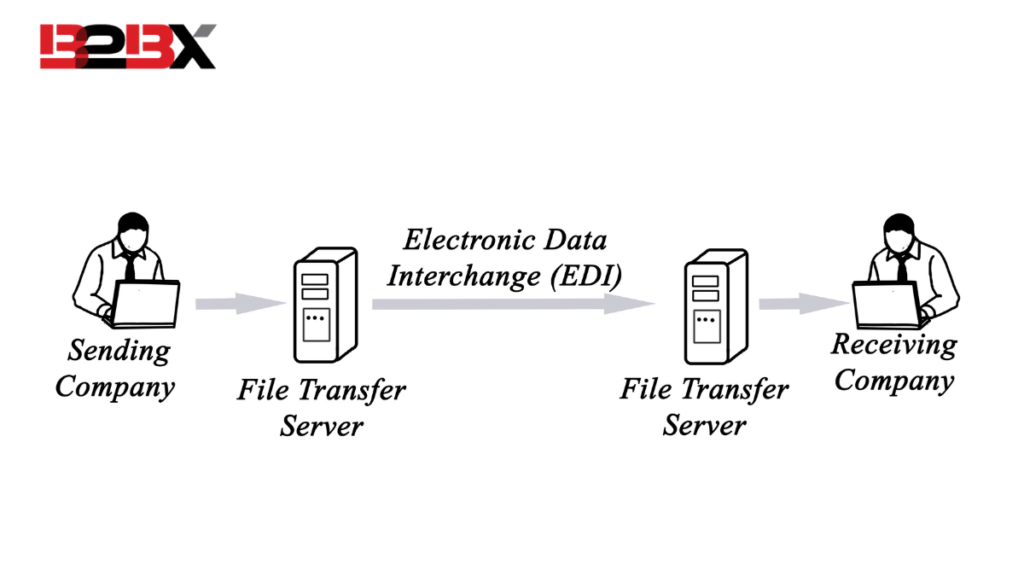
At its essence, EDI operates as a conduit for the seamless exchange of structured data between trading partners, suppliers, distributors, and customers. The process begins with the creation of standardized EDI documents within the sender’s system, wherein data is encoded in accordance with predefined formats and specifications. These documents are then transmitted electronically to the recipient’s system, where they undergo parsing, validation, and integration into internal workflows.

The Significance of EDI in Modern Commerce

The importance of EDI in contemporary commerce cannot be overstated, as it underpins a myriad of critical business processes, including procurement, logistics, inventory management, invoicing, and order fulfillment. By automating the exchange of transactional data, EDI streamlines operations, accelerates decision-making, and minimizes errors inherent in manual data entry and processing.

The Advantages of EDI Adoption

The adoption of EDI confers a multitude of benefits upon organizations of all sizes and industries. Chief among these benefits are:

  1. Operational Efficiency: EDI streamlines business processes by automating data exchange, reducing processing times, and eliminating manual intervention.
  2. Enhanced Accuracy: By minimizing human error and standardizing data formats, EDI enhances the accuracy and reliability of transactional data.
  3. Cost Savings: The automation and efficiency gains afforded by EDI translate into tangible cost savings across the supply chain, from reduced administrative overhead to optimized inventory management.
  4. Improved Partner Relationships: EDI fosters stronger relationships with trading partners, suppliers, and customers by facilitating seamless communication, enhancing transparency, and promoting collaboration.
  5. Regulatory Compliance: In regulated industries, EDI helps ensure compliance with industry standards, government regulations, and data security requirements governing electronic transactions.
  6. Scalability and Adaptability: EDI solutions are inherently scalable and adaptable, capable of accommodating evolving business needs, expanding trading partner networks, and integrating with emerging technologies.
EDI in the Digital Era: Emerging Trends and Technologies

In the age of digital transformation, EDI continues to evolve, driven by advancements in technology, changing market dynamics, and evolving customer expectations. Emerging trends such as cloud-based EDI solutions, API-driven integrations, and blockchain-enabled transactions promise to further enhance the capabilities and reach of EDI in the digital era.

The Role of EDI in Supply Chain Management

In the realm of supply chain management, EDI serves as a linchpin for orchestrating seamless collaboration and coordination among stakeholders across the value chain. From demand forecasting and inventory optimization to order fulfillment and logistics management, EDI streamlines critical supply chain processes, enabling organizations to respond swiftly to market demands and customer expectations.

EDI and Business-to-Business (B2B) Integration

In the realm of business-to-business (B2B) integration, EDI plays a central role in facilitating interoperability, standardization, and data exchange between trading partners. Whether in manufacturing, retail, healthcare, or finance, EDI enables organizations to establish robust supply chain networks, drive operational efficiencies, and unlock new business opportunities in a hyperconnected global marketplace.

Overcoming Challenges in EDI Implementation

Despite its myriad benefits, EDI implementation presents certain challenges and considerations for organizations. These may include interoperability issues, data security concerns, system compatibility, trading partner onboarding, and regulatory compliance. However, with careful planning, strategic partnerships, and investment in technology infrastructure, organizations can overcome these challenges and realize the full potential of EDI.

Conclusion: The Imperative of Embracing EDI

In conclusion, Electronic Data Interchange (EDI) stands as a cornerstone of modern commerce, empowering organizations to thrive in an increasingly digital and interconnected world. As businesses navigate the complexities of global supply chains, evolving market dynamics, and shifting consumer preferences, EDI offers a transformative solution for driving operational efficiency, fostering collaboration, and unlocking new avenues of growth and innovation.

By embracing EDI as a strategic enabler of seamless data exchange, organizations can streamline business processes, enhance partner relationships, and position themselves for success in an ever-changing business landscape. In the journey towards digital transformation, EDI remains not just a technology solution, but a catalyst for driving organizational agility, resilience, and competitiveness in the digital age.

Learn about the EDI services offered by BTOB EXPERTS